


News
Follow Earth Economic’s Impact
We're reshaping environmental economics across continents, providing decision-makers with the tools and data they need to value nature's contributions. Stay connected with our latest breakthroughs, press coverage, and expanding impact here and on social media—or sign up below for our newsletter.
For press inquiries or interview requests: media@eartheconomics.org

Roadless Area Conservation Rule Brings $24B in Benefits
Earth Economics found that 30 million acres across 35 states in the contiguous United States generate $24 billion in benefits every year.
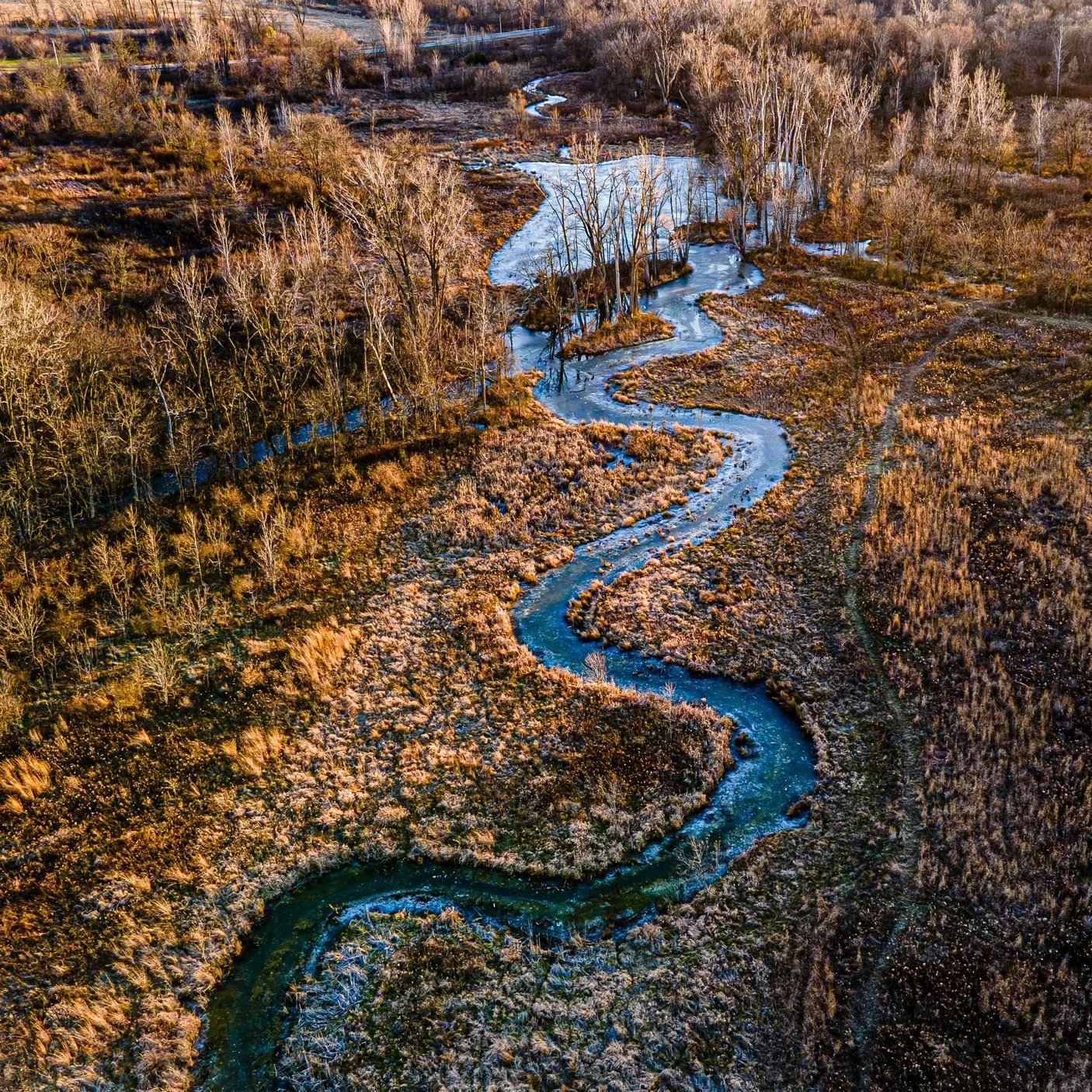
H2Ohio: Crucial Investments to Protect Ohio Wetlands
Every $1 invested in restoring Ohio's wetlands returns $8 in value to the public in the form of clean water, flood protection, recreation benefits, and more. That's all due to H2Ohio, a state program focused on reducing harmful algal blooms in Lake Erie through wetland restoration.
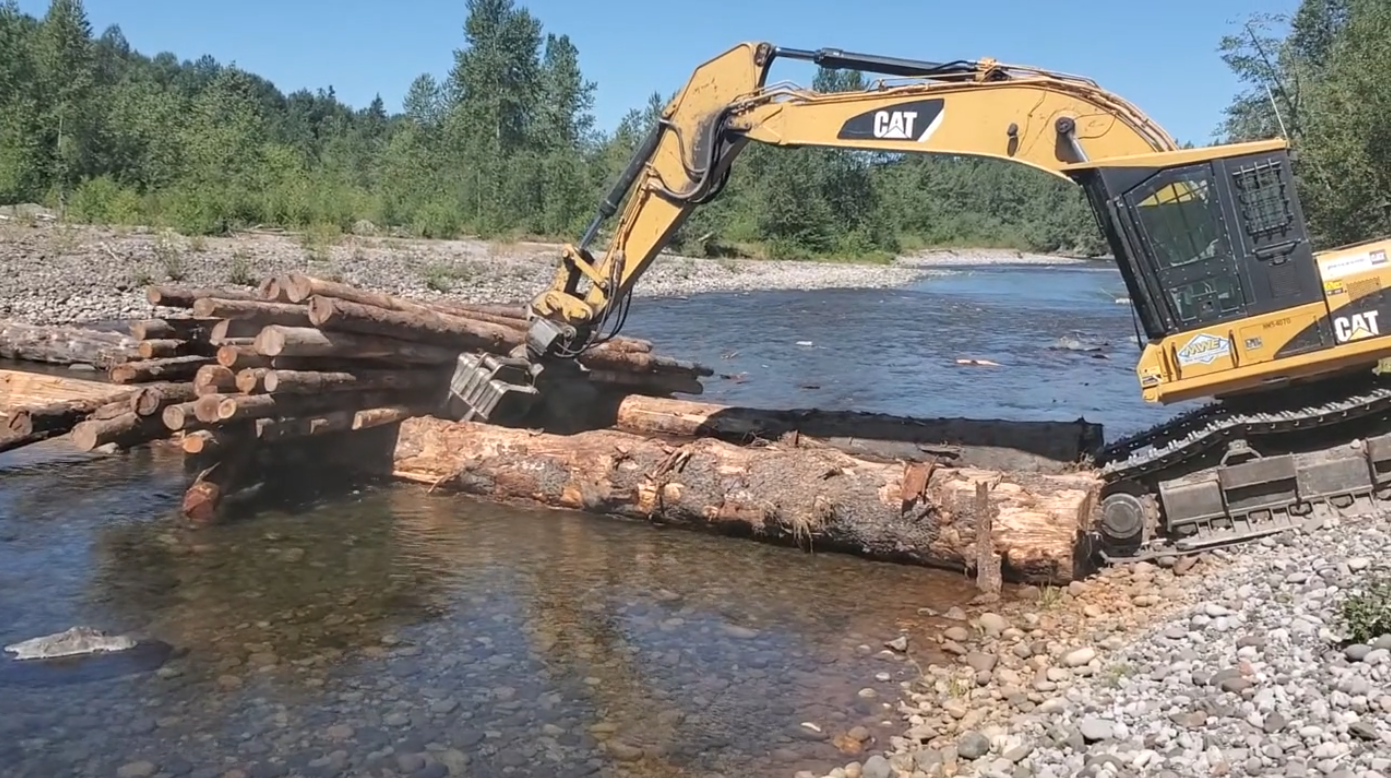
Wetlands Capture Sediment and Expand Habitat
With support from the Ingrid Rasch Legacy Fund, we evaluated the economic, social, and environmental benefits and costs of LCFEG river restoration. This analysis illustrates the many benefits of such projects, and provides evidence to inform future investments.
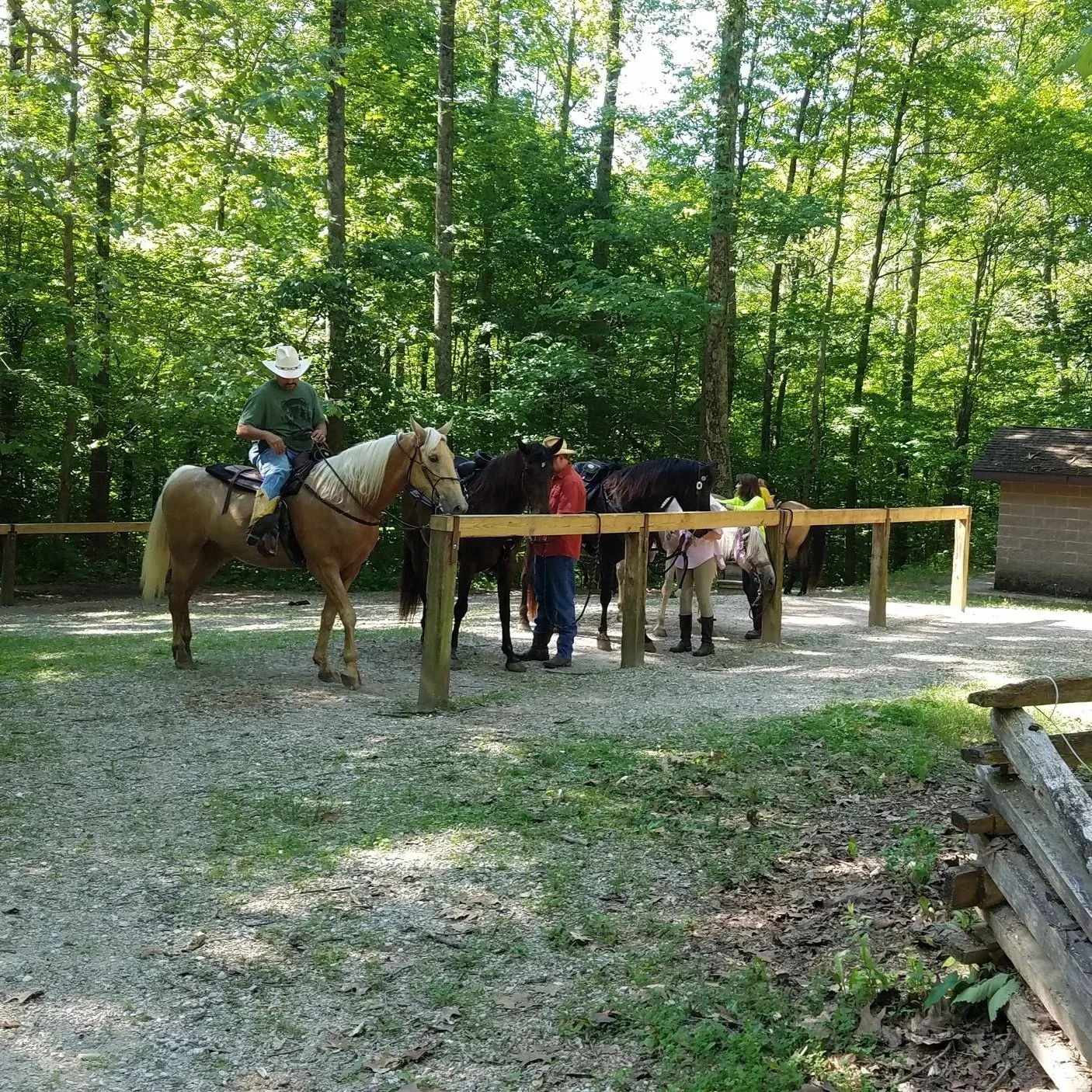
Nature’s Value in Indiana’s Forest Wilderness
As the largest concentration of unbroken national forest in Indiana, this region provides immense environmental, economic, and recreational value. Protecting the 55,000 acres of natural ecosystems of the expanded Deam and National Recreation Area would safeguard at least $235M in public benefits every year—amounting to $5.4B over 30 years.
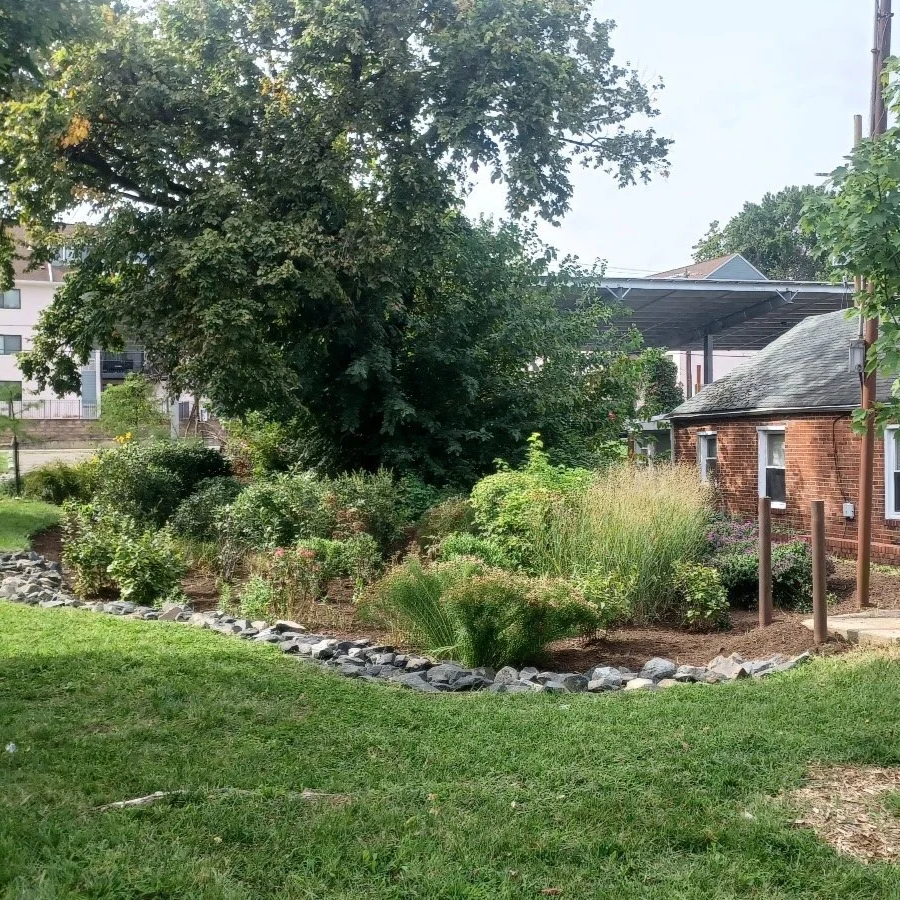
Investing in Green Stormwater Infrastructure in DC
In Washington, DC, Earth Economics, DC Green Bank, and Green Compass are collaborating to strengthen the green infrastructure landscape, by quantifying the full value of nature-based solutions. Seven Green Compass projects generated an estimated $1.3M in annual community benefits, the equivalent of $7.80 in value for every dollar invested.

Outdoor Recreation in Washington State
In 2024, outdoor recreationists spent $25.2B in Washington, supporting over 237,000 jobs and contributing $20.5B to the state’s GDP. Every $1 spent on recreation generated $1.31 in total economic activity. Each year, outdoor recreation lands deliver $33B in consumer surplus and $20B–$148B in other ecosystem services such as clean air and water, flood protection, and wildlife habitat.
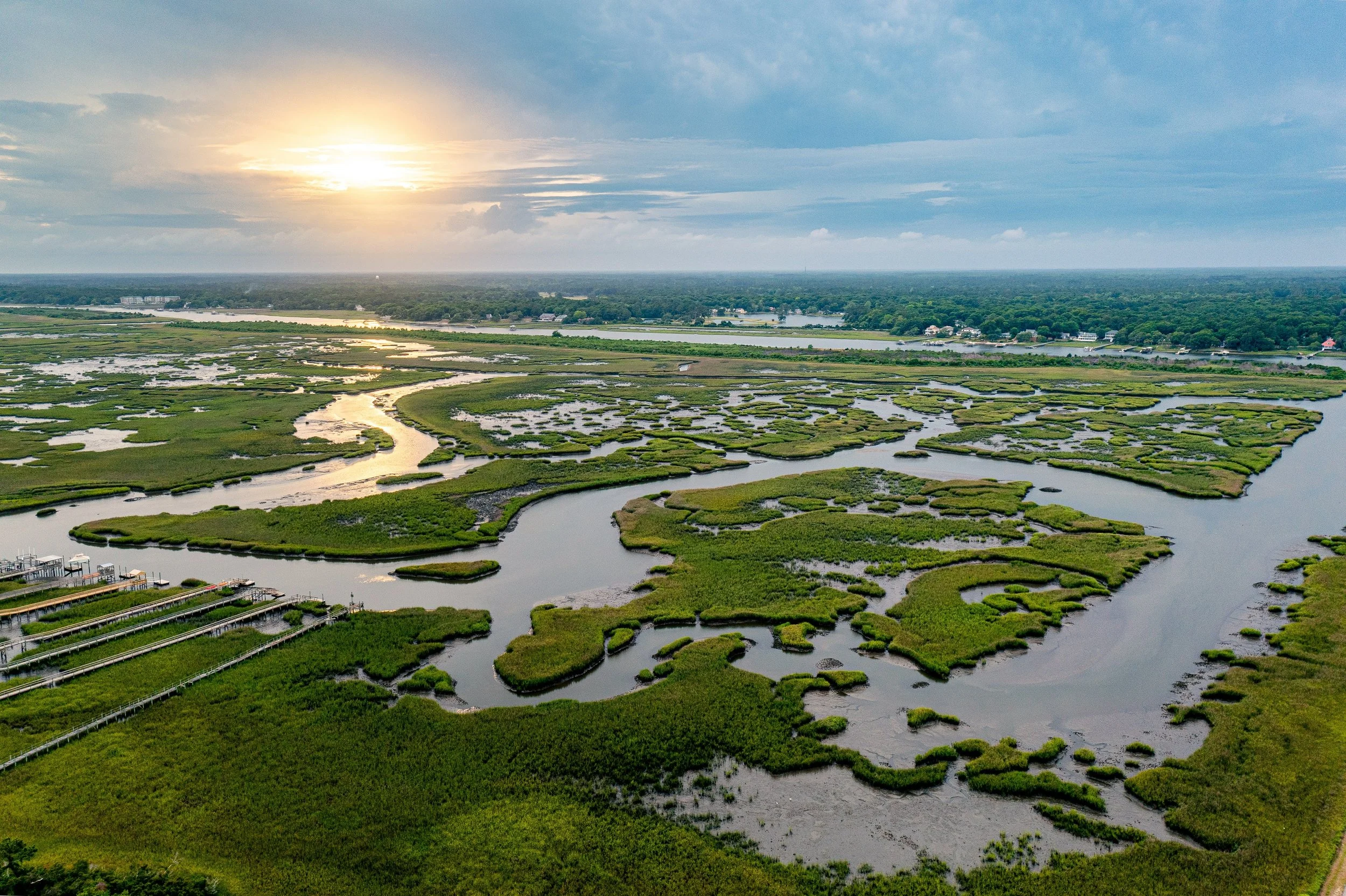
Floodplain Ecosystem Services and Valuation
On November 5th, Earth Economics will present on Floodplain Ecosystem Services and Valuation as part of the Natural Floodplain Functions Alliance webinar series. Glen Delaney and Erin Mackey will focus on essential benefits, such as clean water, flood protection, and recreation, with case studies of projects linked to floodplain restoration.

Natural Disaster Resilience Yields Big Returns
Across the country, state governments are faced with the increasing frequency and intensity of disasters and the compounding scarcity of resources to plan for and lessen their impacts. With these unprecedented challenges likely to grow, state leaders are turning to one another to share best practices and lessons learned to increase resilience.
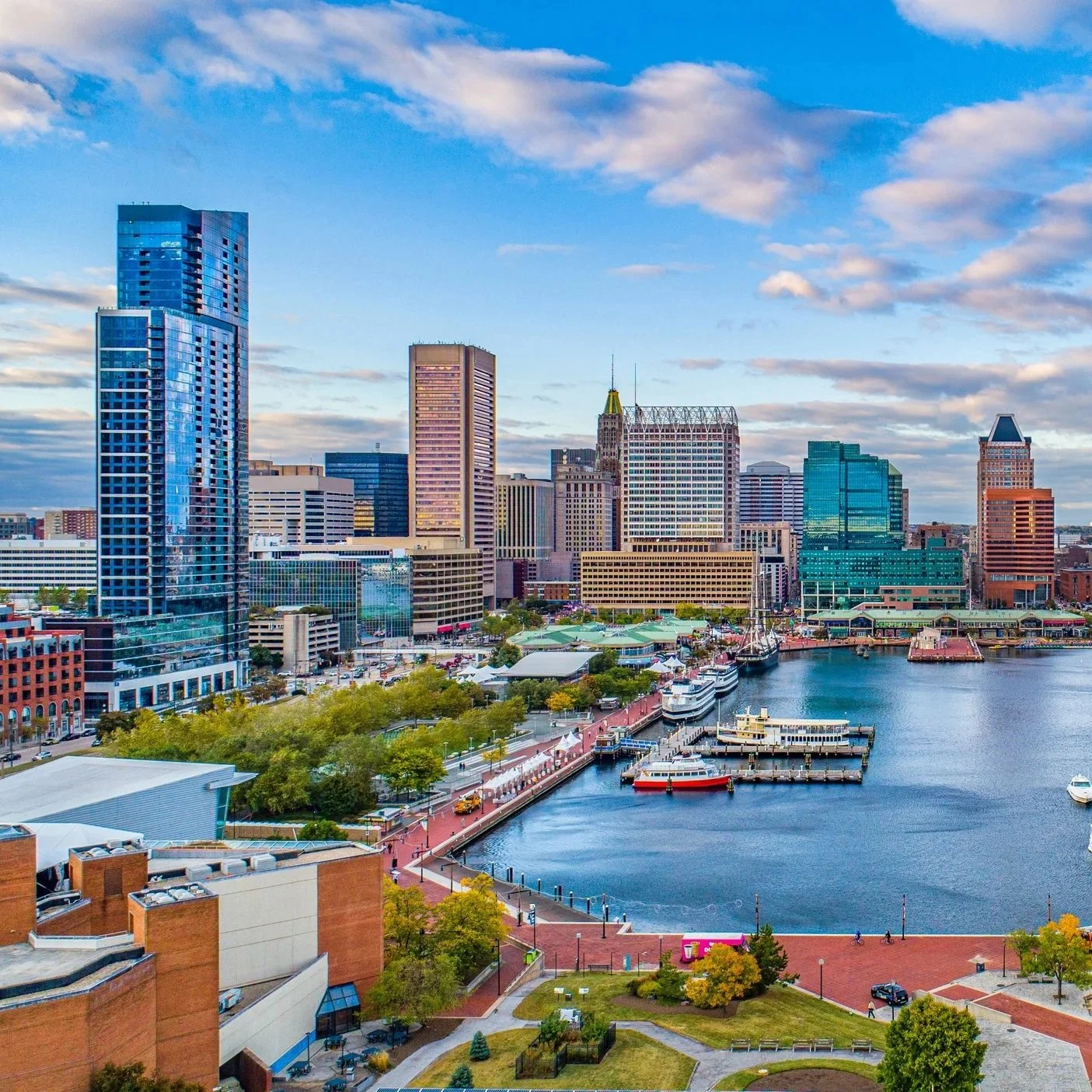
GSI can return $7 for every $1 invested
Earth Economics quantified the benefits created by developing GSI on StreetWell properties. Valuing non-market benefits makes GSI projects more attractive to socially conscious investors. Planting 25 new trees and replacing 2,500 sq ft of sidewalks with raingardens would create $2M in ecosystem services over 25 years, returning $7 for every $1 invested.
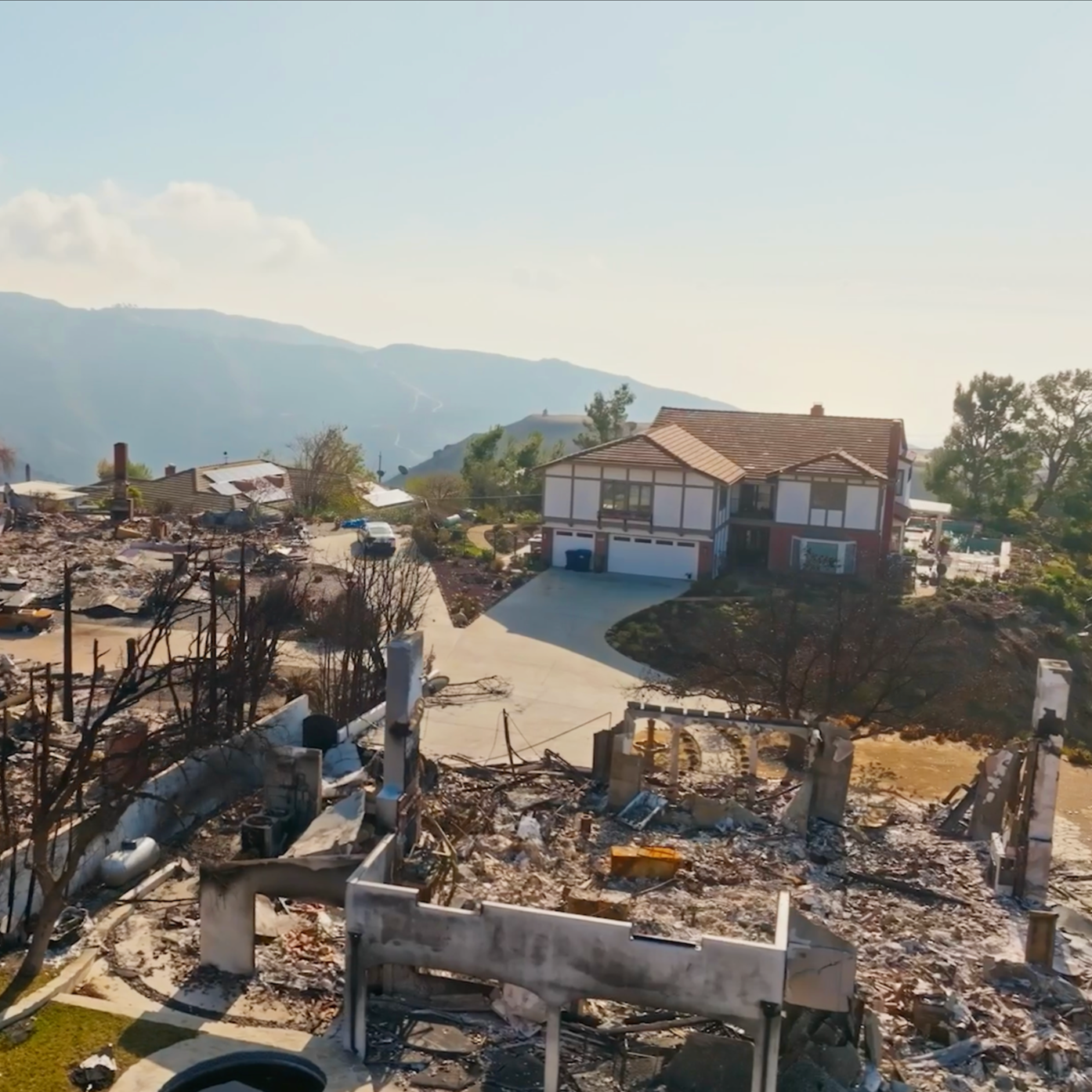
California’s Home Hardening Economy
Earth Economics has quantified the ability of investments home hardening in California to support jobs, economic activity, and tax revenues throughout the state. Each dollar invested in retrofitting returns about $1.70 in total economic activity. If homes were moderately hardened, it could cost $16-$20B, but would also support 74,000-92,500 jobs, add $21-$26.5B to the economy.

The Journal of Soil and Water Conservation
Earth Economics has published Developing a Valuation Framework for Rangeland Conservation Investments and Ecosystem Services, summarizing our work expanding rangeland ecosystem service valuation framework to incorporate more-detailed data and conservation practices, and applying the framework to a broader geographic scope.

Earth Economics in the New York Times
A New Jersey nonprofit planted five “microforests” to tackle environmental problems in Elizabeth, N.J. Scientists say they’re making a big difference.
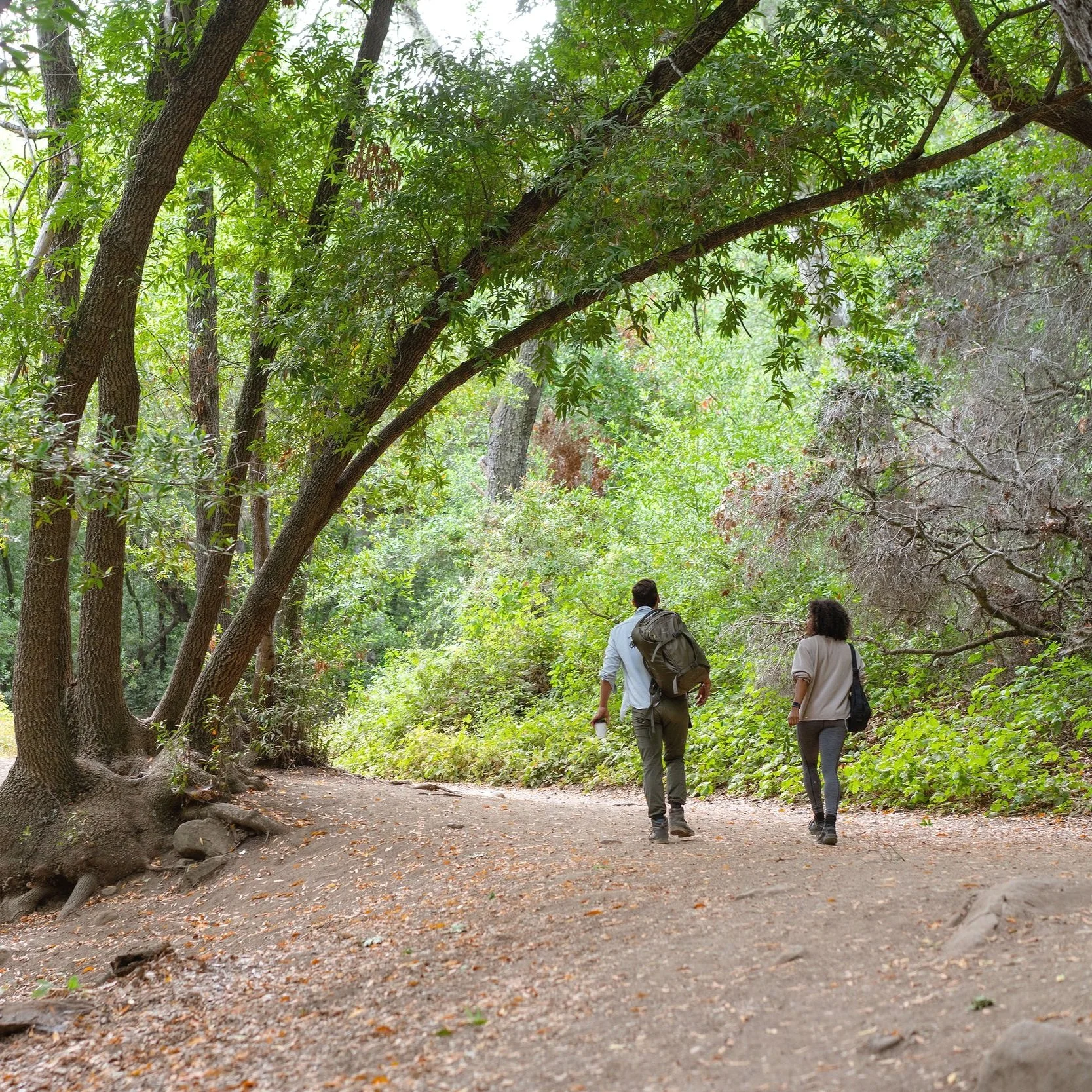
The Natural Capital Wealth of Santa Barbara County, CA
The county's open spaces generate at least $2.96B in value each year. Over a century, this amounts to an asset value of at least $138.9B—conservation is a smart investment in the county's future.
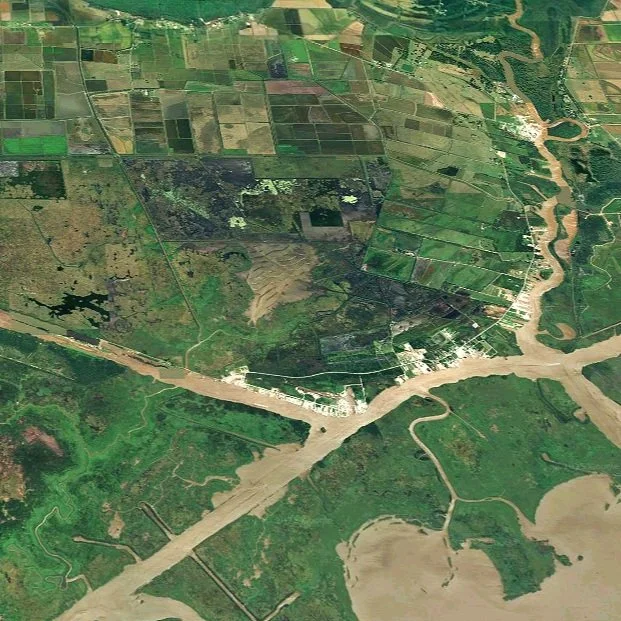
Protecting farms and wetlands along the Lower Vermillion River
We supported Bluewing Civil Consulting, Headway Environmental, and the Vermilion Soil and Water Conservation District, assessing impacts of water control alternatives on ecosystem services in the Lower Vermillion Watershed, Louisiana.
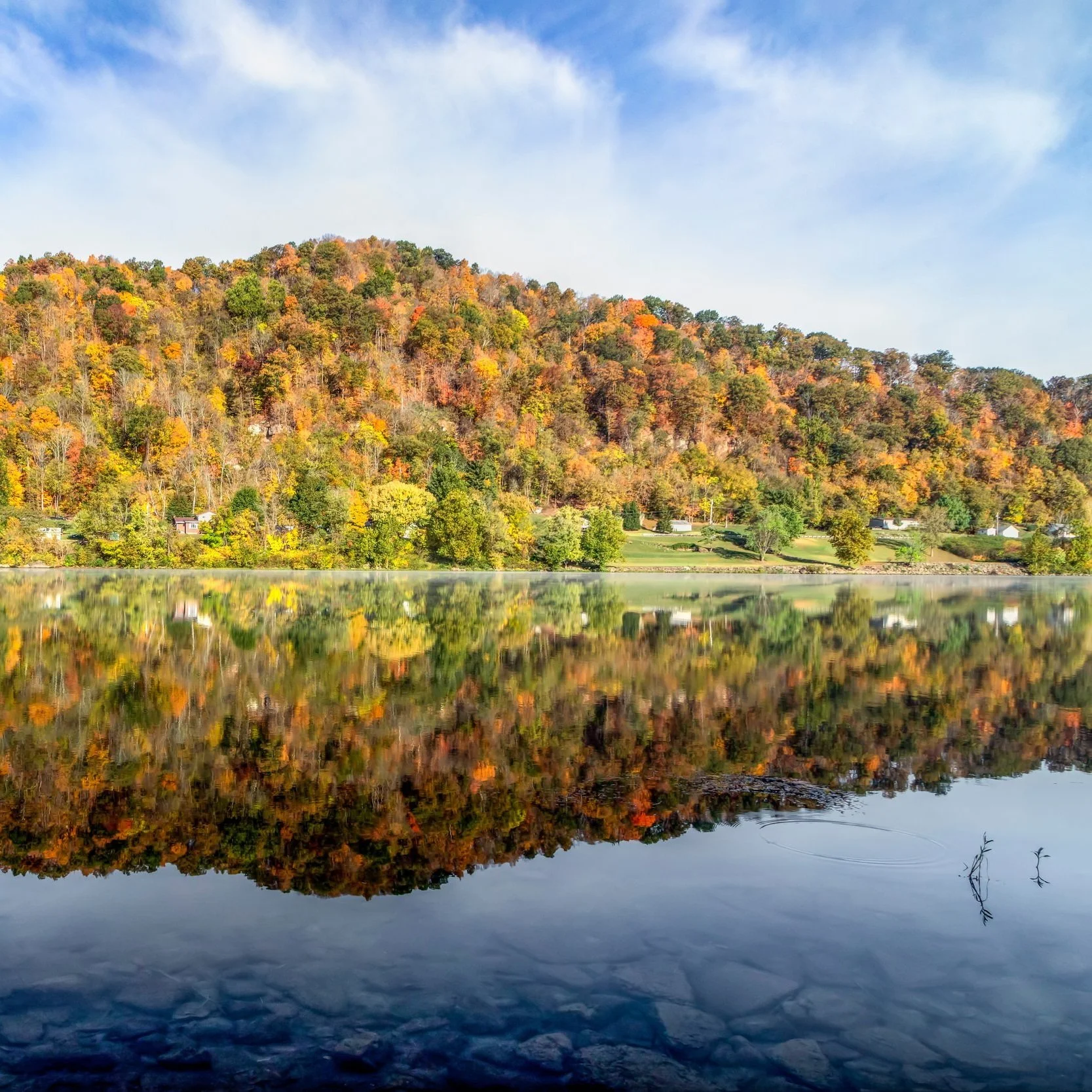
Ecosystem Services in the Ohio River Basin
Our high-level valuation of co-benefits created by natural ecosystems in the Ohio River Basin found that the 68M acres of natural ecosystems produce at least $50B in annual benefits, and $1.17T in benefits over 30 years.
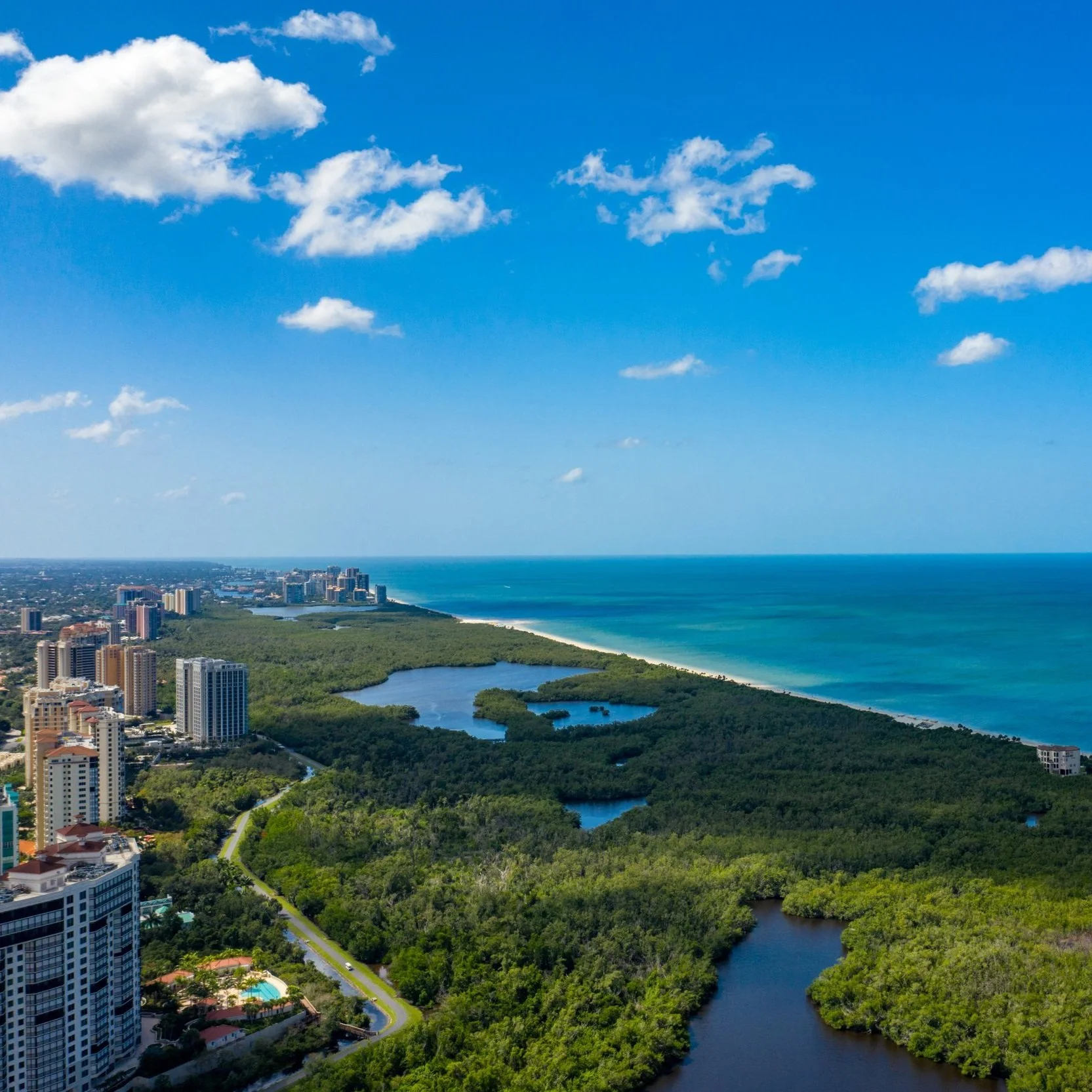
Nature’s Value in the Everglades
Earth Economics and the Everglades Foundation conducted an economic assessment of Everglades ecosystems to show the importance of natural capital in sustaining the region’s economy and quality of life.
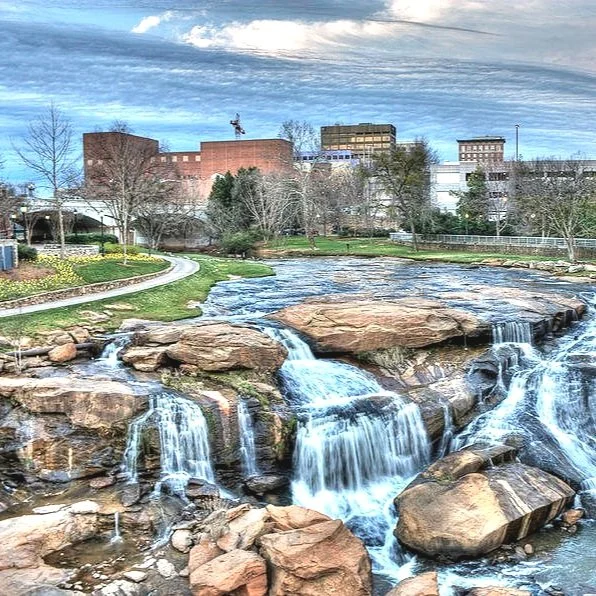
Reedy River Valuation Leads to Protective Buffer Ordinance
Earth Economics' ecosystem valuation study helped Greenville County pass a vital river buffer ordinance that balances environmental protection with economic development.

How Valuation Strengthens Nature-Based Solutions
Webinar Led by Glen Delaney and Carson Risner of Earth Economics for the Network for Engineering with Nature.
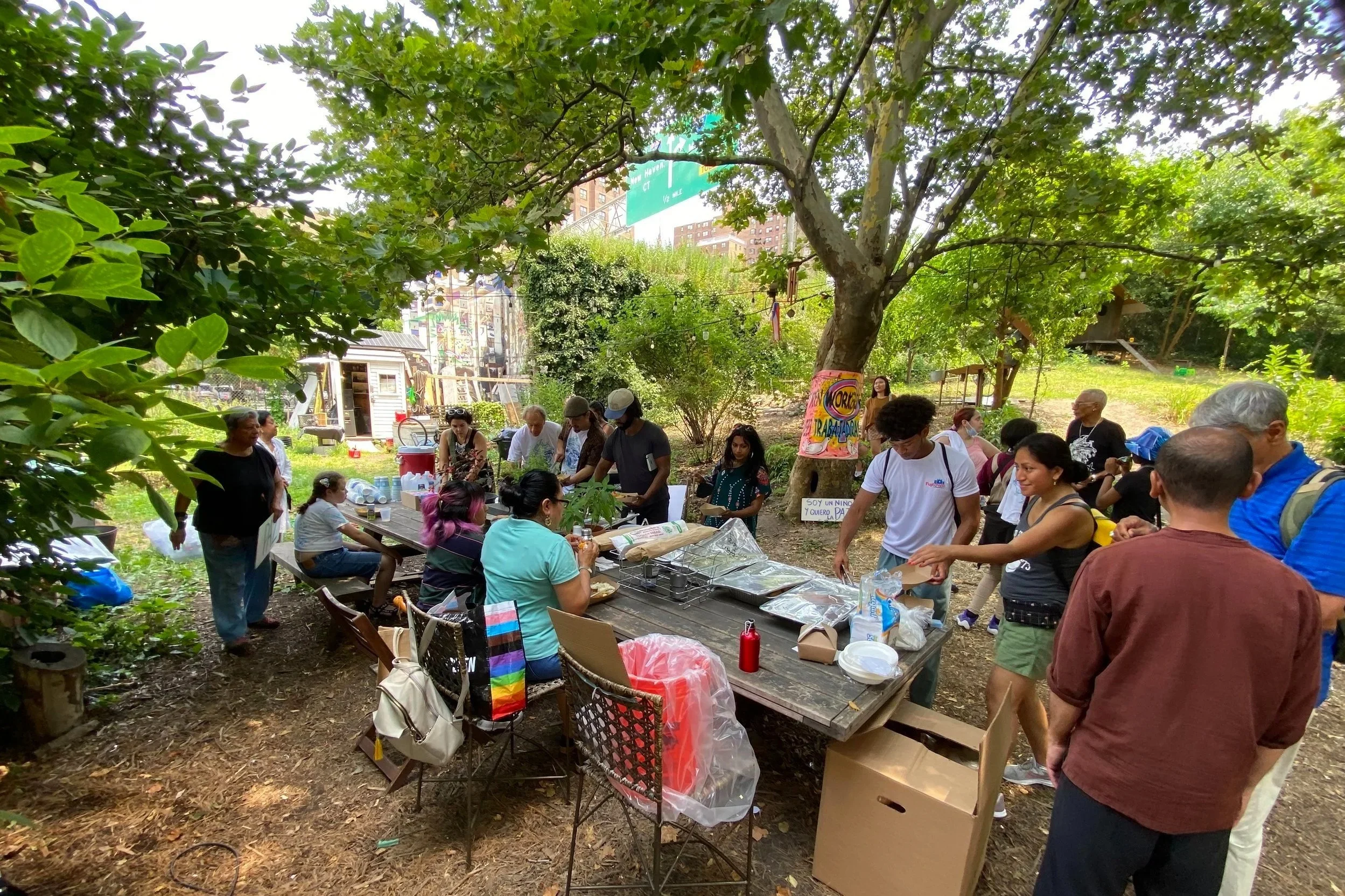
Community-Designed Waterfront Green Space for the South Bronx
The Mott Haven-Port Morris Plan Waterfront Plan, developed through a community visioning process led by South Bronx Unite, aims to increase access to the local waterfront and create green spaces to improve quality-of-life, mitigate air pollution, create better health outcomes, and protect the community from flooding from coastal storms and sea level rise.
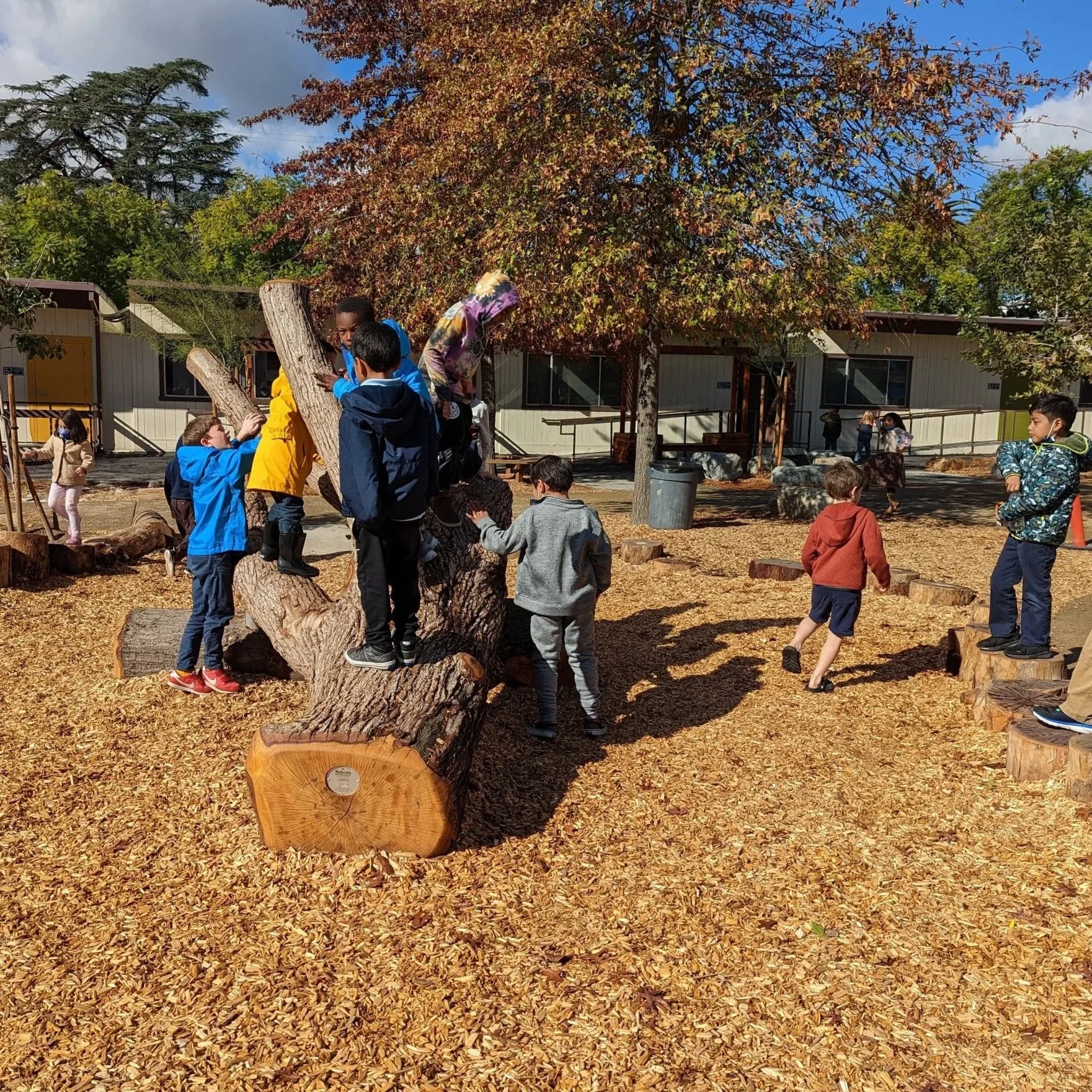
The Benefits of Schoolyard Greening
Greening at California’s school’s playground—adding trees, pervious surfaces, and a garden—provided nearly $400,000 in annual benefits and supported the equivalent of roughly three part-time, year-round jobs.